
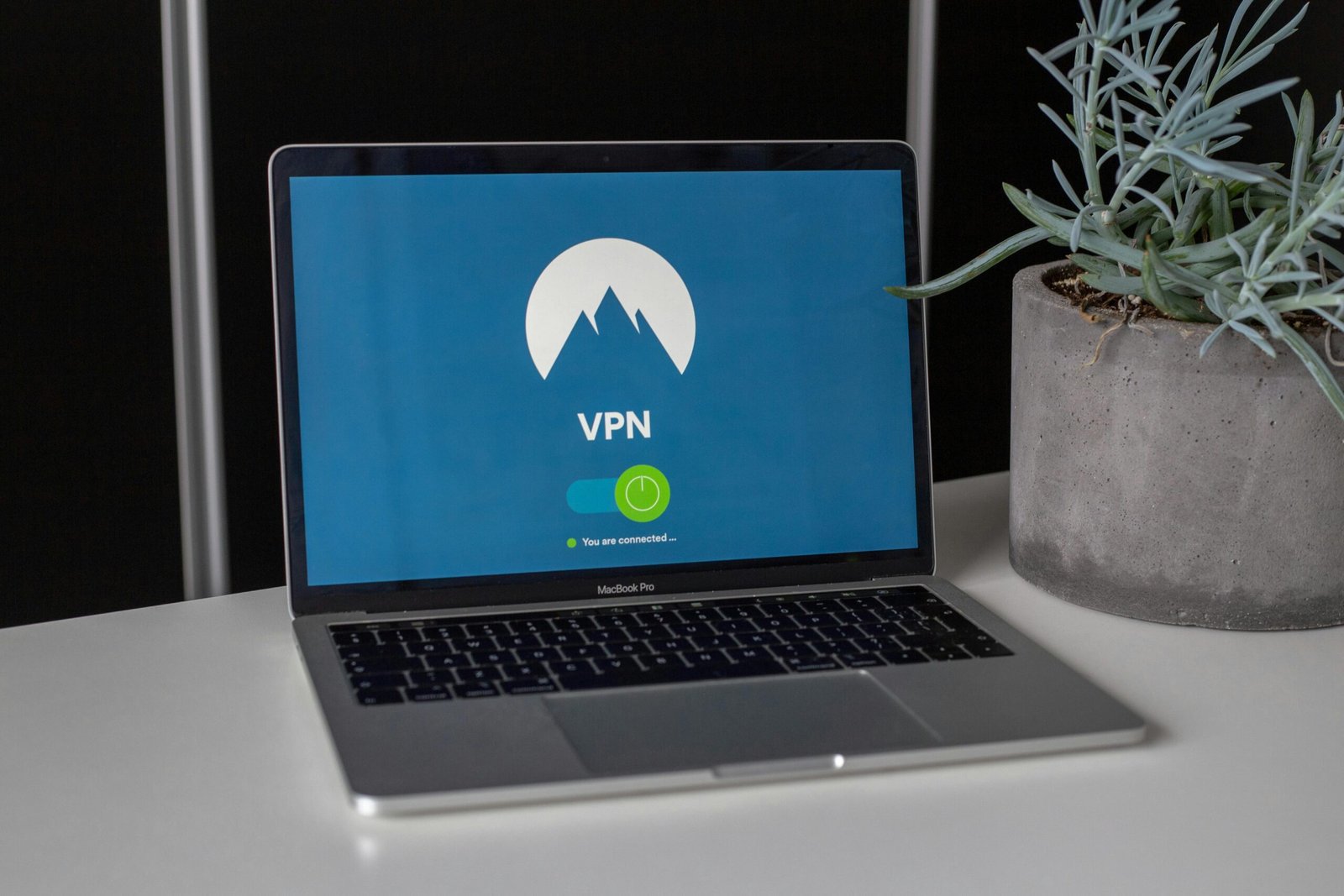

What is a VPN?
A Virtual Private Network (VPN) is a technology designed to create a secure connection over a less secure network, such as the Internet. It establishes an encrypted tunnel between the user’s device and the VPN server, ensuring that data transmitted across this connection remains confidential and protected from eavesdroppers. This encryption process is essential for safeguarding sensitive information, especially when accessing public Wi-Fi networks that are often susceptible to cyber threats.
VPNs serve multiple core functions, the most notable being data encryption and IP address masking. Data encryption ensures that the information passing through the VPN tunnel is scrambled and unreadable to anyone who might intercept it. By utilizing advanced encryption protocols, such as OpenVPN, IKEv2, or L2TP, VPNs convert user data into a format that is inaccessible to unauthorized parties. This feature is crucial for protecting personal data, online transactions, and communications from potential hackers or government surveillance.
In addition to securing data, a VPN masks the user’s IP address, which is a unique identifier linked to their Internet connection. When connected to a VPN, the real IP address is replaced with the VPN server’s IP address. This process helps to enhance online anonymity and privacy, making it difficult for third parties to trace online activities back to the user. Therefore, utilizing a VPN not only protects the user’s data but also facilitates a more private browsing experience, allowing individuals to navigate the Internet with reduced risk of exposure.
How Does a VPN Work?
A Virtual Private Network (VPN) operates by creating a secure connection between a user’s device and a remote server operated by the VPN provider. When a user initiates a VPN connection, the device, termed the VPN client, communicates with the VPN server. This communication involves various protocols, which are sets of rules that govern how data is transmitted over the network. Commonly used VPN protocols include OpenVPN, L2TP/IPsec, and PPTP, each possessing distinct characteristics regarding speed, security, and compatibility.
Once the VPN connection is established, the user’s internet traffic is encapsulated within a secure tunnel. This mechanism encrypts the data, ensuring that any information exchanged remains confidential and inaccessible to unauthorized parties. The encryption process alters the data into a readable format only by the VPN server and the user, safeguarding personal information from potential cyber threats such as hacking or eavesdropping.
After the data is encrypted, it travels from the user’s device to the VPN server. The server acts as an intermediary, forwarding the user’s requests to the internet and retrieving the desired information. Importantly, the external websites and services see the VPN server’s IP address, not the user’s actual IP address. This anonymity adds an additional layer of security and privacy, as it conceals the user’s geographical location and identity from potential surveillance.
Furthermore, the use of a VPN enhances security when connected to public networks, which are often vulnerable to attacks. By encrypting data prior to transmission, VPNs effectively prevent unauthorized access, making it a valuable tool for individuals concerned about online security. Overall, the mechanics of a VPN highlight a sophisticated framework that balances usability and security, ultimately allowing users to navigate the internet with more confidence.
Benefits of Using a VPN
A Virtual Private Network (VPN) offers a multitude of advantages that cater to the needs of users navigating the digital landscape. One of the primary benefits of utilizing a VPN is enhanced online privacy and security. By encrypting internet traffic and masking the user’s IP address, a VPN significantly reduces the risk of data interception and identity theft. This layer of security is particularly valuable in scenarios such as utilizing public Wi-Fi networks, which are often vulnerable to cyber threats. For instance, when connecting to a free Wi-Fi hotspot at a coffee shop, users can unwittingly expose their sensitive information to malicious actors. A VPN safeguards this data from prying eyes, providing a secure browsing experience.
Moreover, VPNs pave the way for accessing geo-restricted content. Various streaming services impose geographical limitations on their offerings; however, through a VPN, users can connect to servers located in different countries, effectively bypassing these restrictions. A compelling example is the ability to access a broader range of Netflix titles by connecting to a server in a different nation, thus enriching the viewing experience. Likewise, a VPN can facilitate access to websites that may be blocked in specific regions, ensuring that users can freely browse the internet without limitations.
Lastly, a VPN serves as a robust shield against various cyber threats, including malware and phishing attacks. By employing a VPN, users can protect their devices and data from the ever-evolving landscape of online vulnerabilities. This is especially relevant for businesses, where sensitive information is often at stake. In an age where digital security is paramount, the advantages provided by using a VPN make it an indispensable tool for individuals and organizations alike.
Choosing the Right VPN Service
Selecting the appropriate VPN service can significantly affect your online experience, ensuring both privacy and performance. To make an informed choice, it is critical to consider several key factors. One of the primary considerations is speed. A high-speed VPN will prevent buffering and allow seamless streaming, browsing, and downloading. Many VPN providers offer speed tests or guarantees; users should select a service with fast performance in their region.
The privacy policy of a VPN service is another essential aspect. Potential users should thoroughly review the provider’s logging policies. A true no-log VPN service does not track or store user activities, which is vital for maintaining anonymity. Understanding the jurisdiction under which a VPN operates is also important, as laws regarding data retention may vary by country.
Compatibility with various devices is another factor to consider. Ensure the chosen VPN is compatible with all devices used, including smartphones, tablets, and computers. Many reputable services provide apps for multiple platforms, enhancing usability. Additionally, the level of customer support offered by the VPN provider can significantly impact user satisfaction. Look for services that offer 24/7 support, live chat options, and comprehensive knowledge bases to assist with any potential issues.
Price must also be factored into your decision-making process. While free VPNs may seem attractive, they often come with limitations like slower speeds, data caps, or questionable privacy practices. Paid services usually promote better speeds, security features, and support. Additionally, be aware of common misconceptions regarding VPNs, such as the belief they provide complete anonymity or eliminate all online risks. VPNs enhance privacy and security but should be part of a broader approach to safe internet practices.